
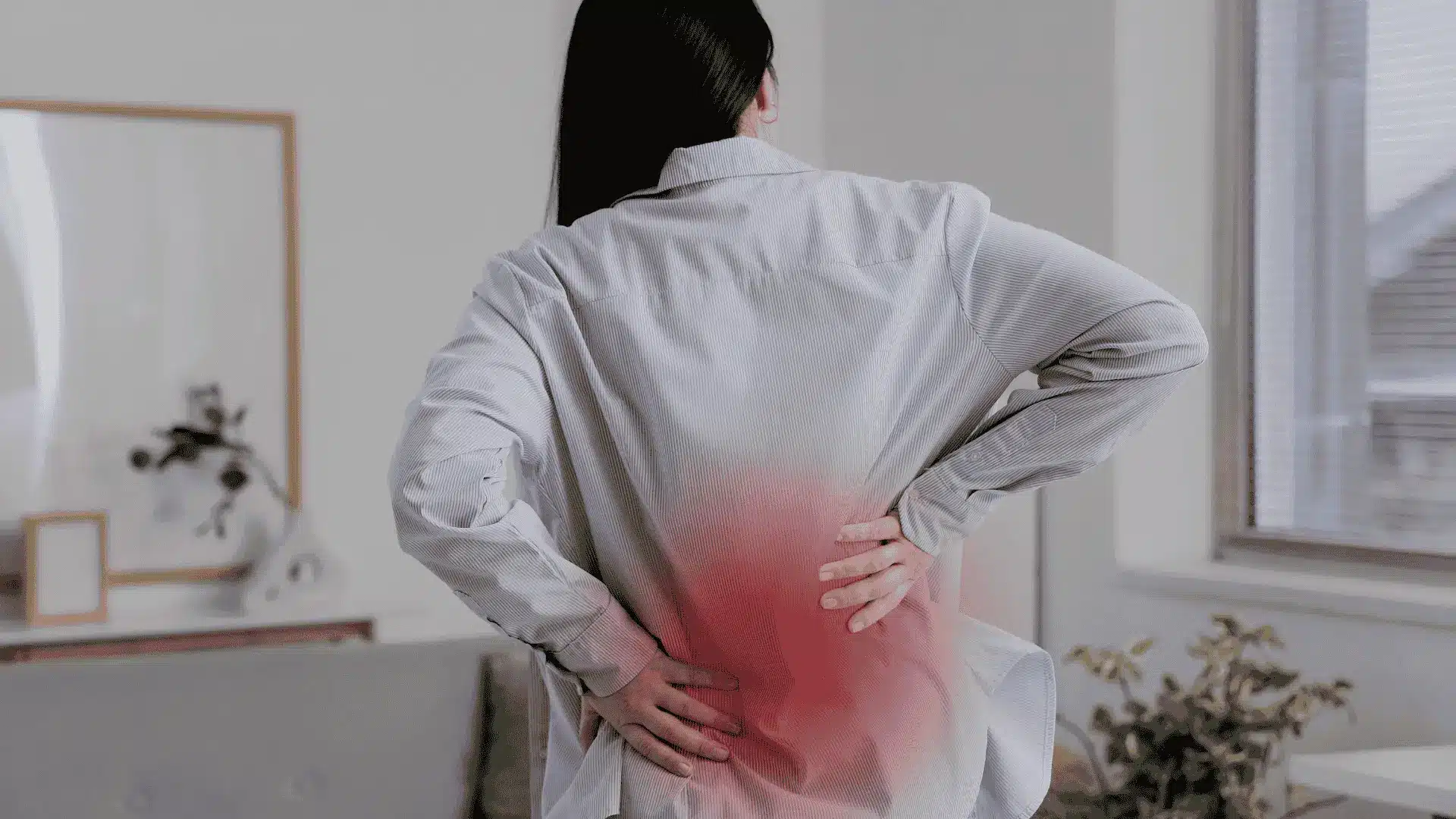
Lower back pain is one of the most common health complaints among women. But here’s the thing: it’s rarely just about the back.
Think about the way the human body works. Everything is connected….your spine, your muscles, your hormones, even your digestion. When something is off in one system, your lower back often becomes the messenger.
At Total Health Physical Medicine & Rehabilitation Center in New Jersey, we see this every day. Women come in with persistent discomfort, stiffness, or sharp pain that seems to appear out of nowhere. And what they discover is that understanding the cause of the pain is the first step toward real relief.
So today, let’s explore 10 common causes of lower back pain in women and more importantly, what can be done about them.
Hormonal Changes
Women experience natural hormonal fluctuations throughout their lives during menstruation, pregnancy, and menopause. These hormonal changes can affect the ligaments and joints that stabilize the spine.
For example, the hormone relaxin loosens ligaments in preparation for childbirth. While this is essential biologically, it can make the spine less stable and lead to female lower back pain.
Many women experience pain in lower back and hips (female) around their menstrual cycle due to inflammation and muscle tension.
When these issues persist, targeted therapies such as rehabilitation therapy can help strengthen core muscles and support spinal stability.
Read more about Rehabilitation Therapy here.
Poor Posture and Sedentary Lifestyle
Modern life has changed the way we move.
Hours spent at desks, looking down at phones, or sitting in cars create constant pressure on the lower spine. Over time, this can lead to muscle imbalances and chronic strain.
Poor posture is one of the most overlooked causes of lower back pain in women.
The muscles that support the spine weaken, while others overcompensate. Eventually, discomfort turns into persistent pain.
This is where chiropractic care can play a powerful role by restoring alignment and relieving spinal pressure.
Read more about Chiropractic care here.
Pregnancy
Pregnancy is a remarkable transformation for the body—but it’s also physically demanding.
As the baby grows:
- The center of gravity shifts
- Core muscles stretch
- The spine compensates for added weight
This is why lower back pain early pregnancy and throughout pregnancy is extremely common.
Many women also experience lower back pain and nausea (female) during early pregnancy due to hormonal changes and muscle strain.
Gentle therapies like spinal decompression and rehabilitation therapy can help relieve pressure and support the spine safely.
Learn more about our pregnancy services here.
Vertebrogenic Low Back Pain
One of the newer diagnoses gaining attention is vertebrogenic low back pain.
This condition originates from the vertebral endplates, the structures that connect spinal discs to vertebrae.
Unlike muscle strain, vertebrogenic pain tends to be:
- Deep
- Persistent
- Worse with sitting or bending
It’s often mistaken for general back pain when it actually requires targeted treatment.
Advanced therapies such as shockwave therapy can stimulate healing and reduce chronic inflammation.
Read more about Shockwave Therapy here.
Muscle Strain and Overuse
Sometimes the cause of pain is surprisingly simple.
Lifting a heavy object, exercising incorrectly, or even sleeping in an awkward position can strain the muscles supporting the lower spine.
But here’s where things get tricky.
Women often juggle multiple responsibilities….work, caregiving, and household tasks leading to repeated strain without adequate recovery.
Over time, minor strains evolve into chronic female lower back pain.
Treatments like laser therapy and Neurolumen therapy can reduce inflammation and promote faster healing.
Read more about our Laser Therapy and Neurolumen Treatment here.
Constipation and Digestive Issues
It may surprise you, but many women ask:
“Can constipation cause lower back pain?”
The answer is yes.
When the digestive system slows down, pressure can build within the abdomen and pelvis. This pressure can radiate into the lower back.
Constipation-related back pain is especially common when combined with:
- Dehydration
- Poor diet
- Hormonal changes
Addressing digestive health alongside musculoskeletal care can significantly reduce discomfort.
Spinal Disc Problems
The discs between the vertebrae act as cushions for the spine.
But over time they can:
- Bulge
- Herniate
- Degenerate
This can lead to nerve compression and radiating pain.
Women experiencing disc issues may notice:
- Pain in the lower back and hips
- Numbness or tingling
- Pain when sitting or bending
Spinal decompression therapy is a non-surgical treatment that gently stretches the spine to relieve disc pressure.
Read more about Spinal Decompression here.
Arthritis and Joint Degeneration
As we age, the joints in the spine naturally experience wear and tear.
For women, this process can accelerate after menopause due to declining estrogen levels.
Spinal arthritis often causes:
- Stiffness in the morning
- Reduced flexibility
- Persistent lower back pain
Targeted injection therapy can reduce inflammation in affected joints and provide lasting pain relief.
Read more about our Injection Therapy here.
Pelvic and Hip Imbalances
Your pelvis acts as the foundation for your spine.
If the pelvis becomes misaligned even slightly, it can lead to chronic stress on the lower back.
This is why many women report pain in lower back and hips (female) at the same time.
Pelvic imbalance may result from:
- Pregnancy
- Uneven muscle strength
- Injuries
- Poor posture
Corrective treatments such as chiropractic adjustments and rehabilitation therapy help restore balance and relieve pressure.
Chronic Pain Conditions
For some women, lower back pain is not caused by a single issue but by multiple overlapping conditions.
These may include:
- Fibromyalgia
- Chronic inflammation
- Degenerative disc disease
- Nerve irritation
In these cases, comprehensive pain management in New Jersey becomes essential.
At Total Health Physical Medicine & Rehabilitation Center NJ, specialists create personalized treatment plans designed to address the root cause, not just the symptoms.
When Should You See a Specialist?
Occasional back pain is normal.
But persistent pain should never be ignored.
You should consult a lower back pain specialist in New Jersey if your symptoms include:
- Pain lasting more than two weeks
- Pain spreading to hips or legs
- Numbness or tingling
- Pain with nausea or digestive issues
- Limited mobility
Early diagnosis can prevent minor problems from becoming chronic conditions.
Finding Real Back Pain Relief in New Jersey
Here’s an important truth:
Most people try to push through back pain.
They stretch a little, rest for a day, maybe take over-the-counter medication and hope it goes away.
But real healing begins when we understand what causes lower back pain in females.
At Total Health Physical Medicine & Rehabilitation Center, patients receive comprehensive care designed to identify the true causes of lower back pain in women in New Jersey.
Our integrated approach includes:
- Chiropractic care
- Shockwave therapy
- Rehabilitation therapy
- Spinal decompression
- Injection therapy
- Laser and Neurolumen treatment
This combination allows us to address pain from every angle and provide lasting lower back pain treatment in New Jersey.
If you’re experiencing persistent female lower back pain, the team at Total Health Physical Medicine & Rehabilitation Center is here to help you find real, lasting back pain relief in New Jersey.
Because when your spine is healthy, everything else in life moves a little easier.
Disclaimer: This blog is intended for informational and educational purposes only and should not be considered medical advice. The content provided here is not a substitute for professional diagnosis, treatment, or medical guidance from a qualified healthcare provider.