
Joint pain is one of the most common health concerns among older adults. Whether it affects the knees, hips, shoulders, or other joints, persistent pain can make everyday activities more difficult and gradually reduce independence and quality of life.
Many seniors find themselves avoiding activities they once enjoyed because of discomfort. Walking longer distances becomes challenging. Climbing stairs requires more effort. Even simple tasks like gardening, exercising, or getting up from a chair may become painful.
As a result, many patients begin exploring non-surgical treatment options and often ask an important question: What is the success rate of joint injections in seniors?
At Total Health Physical Medicine & Rehabilitation Center, we help patients understand their treatment options and develop personalized care plans designed to reduce pain, improve mobility, and support long term joint health. For many seniors, joint injections have become an effective part of a comprehensive pain management strategy.
Understanding Joint Injections
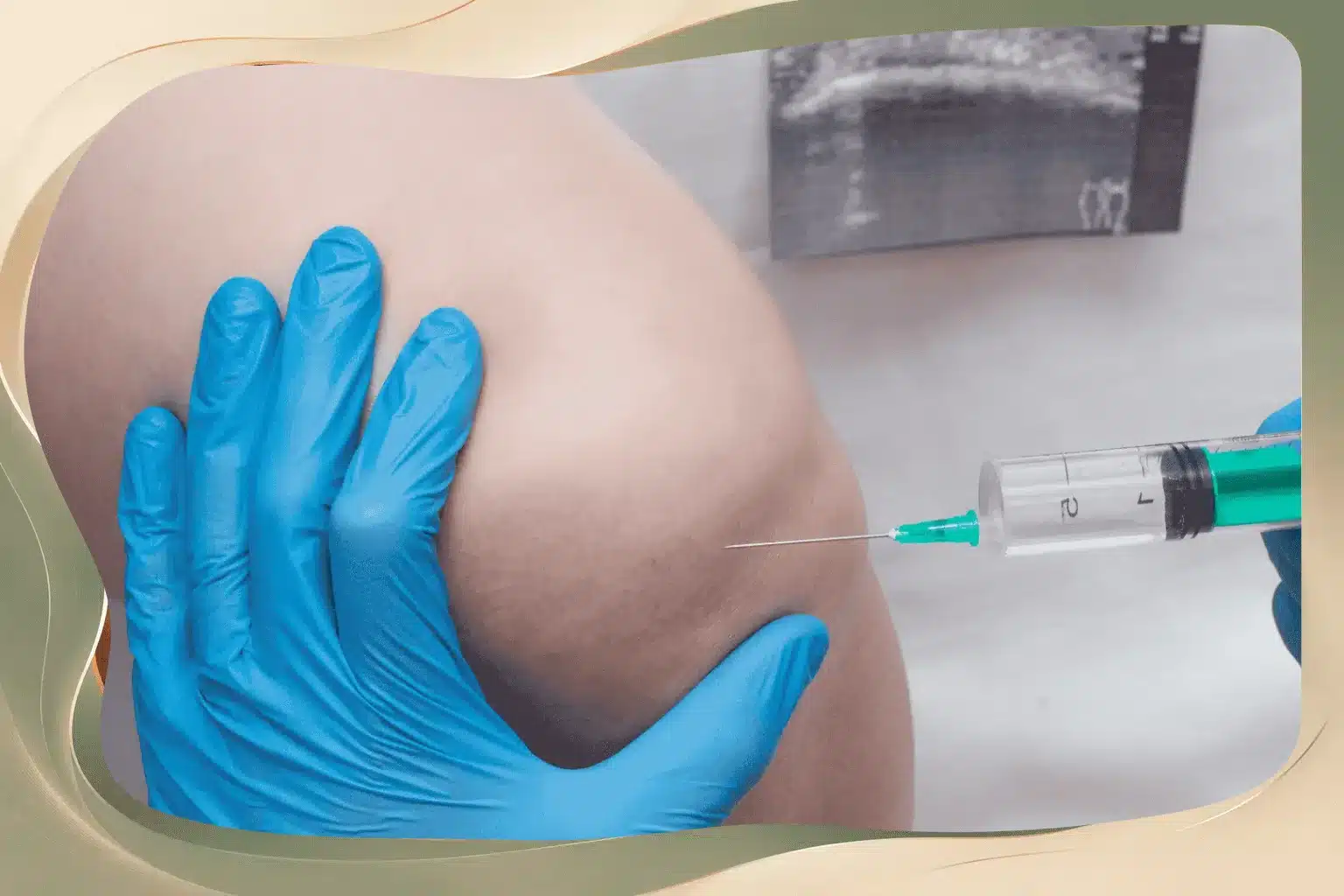
Joint injections are a minimally invasive treatment used to deliver medication or healing substances directly into an affected joint.
The goal is to reduce pain, decrease inflammation, and improve function without the need for surgery.
Depending on the patient’s condition, injections may contain:
- Corticosteroids to reduce inflammation
- Hyaluronic acid to improve joint lubrication
- Platelet-rich plasma (PRP) to support tissue healing
- Regenerative therapies designed to encourage natural repair
Joint injections are commonly used to treat:
- Osteoarthritis
- Joint inflammation
- Chronic knee pain
- Hip pain
- Shoulder pain
- Degenerative joint conditions
At Total Health Physical Medicine & Rehabilitation Center, joint injections are often incorporated into a broader injection therapy program designed to address the root cause of pain while supporting long-term mobility and function.
If you would like to learn more, you can read more about our injection therapy services here and discover how personalized treatment plans are created for each patient.
What Is the Success Rate of Joint Injections in Seniors?
The success rate of joint injections depends on several factors, including the condition being treated, the severity of joint damage, the type of injection used, and the overall health of the patient.
In general, joint injections have shown positive outcomes for many seniors seeking non-surgical pain relief.
Many patients experience:
- Reduced joint pain
- Improved mobility
- Better physical function
- Increased activity levels
- Improved quality of life
For conditions such as osteoarthritis, corticosteroid injections may provide meaningful pain relief for weeks or months, while regenerative therapies may offer longer-term improvements by supporting tissue healing.
Success is often highest when injections are combined with rehabilitation, exercise, and lifestyle modifications rather than being used as a standalone solution.
Factors That Influence Treatment Success
Not every patient experiences the same results, and understanding the factors that influence outcomes is important.
The Underlying Condition
Joint injections tend to work best when the source of pain has been accurately identified.
For example:
- Mild to moderate arthritis may respond well to treatment.
- Early joint degeneration often produces better outcomes than advanced joint damage.
- Inflammatory conditions may improve significantly with targeted injections.
Accurate diagnosis plays a critical role in determining whether joint injections are likely to be effective.
Overall Joint Health
The condition of the joint itself also matters.
Patients with preserved cartilage and moderate degeneration often experience greater improvements than those with severe structural damage.
This is why early intervention is often beneficial.
Comprehensive Treatment Planning
At Total Health Physical Medicine & Rehabilitation Center, injections are rarely viewed as a stand-alone solution.
Combining treatment with rehabilitation therapy, mobility exercises, and supportive care often helps maximize results and improve long term outcomes.
Exploring Different Types of Injection Therapy
Not all joint injections are the same.
Different types of injection therapy may be recommended depending on the patient’s diagnosis and goals.
Corticosteroid Injections
These injections help reduce inflammation and provide relatively fast pain relief.
They are commonly used for arthritis and inflammatory joint conditions.
Hyaluronic Acid Injections
Sometimes called “gel injections,” these treatments help improve joint lubrication and reduce friction within the joint.
They are often used for knee osteoarthritis.
PRP Joint Injections
One of the fastest-growing treatment options is the PRP joint injection.
PRP, or platelet-rich plasma, uses components from the patient’s own blood to support tissue repair and healing.
Many patients choose PRP because it focuses on encouraging the body’s natural healing processes rather than simply reducing symptoms.
Patients searching for PRP injection therapy New Jersey are often interested in this regenerative approach to pain management.
What Is Regenerative Injection Therapy?
Another treatment option gaining attention is regenerative injection therapy.
Unlike traditional injections that focus primarily on symptom relief, regenerative therapies are designed to support the body’s ability to repair damaged tissues.
These treatments may help stimulate healing in:
- Joints
- Tendons
- Ligaments
- Soft tissues
Patients looking for regenerative injection therapy near me are often seeking alternatives to surgery and long term medication use.
At Total Health Physical Medicine & Rehabilitation Center, regenerative therapies may be considered as part of a personalized treatment strategy based on the patient’s condition and goals.
If you are interested in learning more about available options, you can read more about our injection therapy services here and explore how regenerative approaches may fit into your treatment plan.
Why Seniors Often Choose Joint Injections
Many older adults are looking for solutions that help them stay active without immediately turning to surgery.
Joint injections offer several potential advantages:
- Minimally invasive treatment
- Little to no downtime
- Reduced pain and inflammation
- Improved mobility
- Ability to participate more comfortably in rehabilitation programs
- Potential delay or avoidance of surgery
For seniors who want to maintain independence and remain active, these benefits can be significant.
Patients searching for joint injections near me often do so because they want effective relief while continuing to enjoy everyday activities.
Are Joint Injections Safe for Seniors?
For most patients, joint injections are considered safe when performed by qualified healthcare professionals.
As with any medical procedure, there are potential risks, but serious complications are relatively uncommon.
Possible side effects may include:
- Temporary soreness
- Mild swelling
- Injection site discomfort
- Temporary increase in pain immediately after treatment
At Total Health Physical Medicine & Rehabilitation Center, every patient undergoes a thorough evaluation to determine whether joint injections are appropriate for their specific condition and health history.
How We Approach Joint Pain at Total Health Physical Medicine & Rehabilitation Center
Joint pain is rarely a one-size-fits-all problem.
At Total Health Physical Medicine & Rehabilitation Center, treatment plans are built around the individual patient rather than a single procedure.
Depending on your needs, care may include:
- Injection therapy
- Regenerative therapies
- Rehabilitation therapy
- Chiropractic care
- Shockwave therapy
- Neurolumen treatment
- Personalized exercise programs
- Non-surgical pain management solutions
Our goal is to improve mobility, reduce discomfort, and help patients continue enjoying an active lifestyle.
Why Choose Total Health Physical Medicine & Rehabilitation Center?
Choosing the right provider for joint pain treatment is important, especially when pain begins affecting daily activities, mobility, and overall quality of life.
At Total Health Physical Medicine & Rehabilitation Center, we take a personalized and rehabilitation-focused approach to care. Every treatment plan is tailored to the patient’s condition, symptoms, and long term goals.
We combine:
- Advanced treatment technology
- Evidence-based rehabilitation
- Non-surgical treatment options
- Hands-on therapies
- Customized recovery plans
- One-on-one patient-centered care
A Personalized Approach to Joint Pain Relief
Growing older does not mean giving up the activities you enjoy.
While joint pain is common among seniors, there are more treatment options available today than ever before. Joint injections, regenerative therapies, and comprehensive rehabilitation programs can help many patients reduce pain, improve mobility, and continue living active lives.
At Total Health Physical Medicine & Rehabilitation Center, we believe the best results come from understanding the individual behind the symptoms. By combining advanced treatment options with personalized care, we help patients make informed decisions about their health and recovery. Contact us today or book an appointment now!
Frequently Asked Questions
What is the success rate of joint injections in seniors?
Success rates vary depending on the condition being treated, the severity of joint damage, and the type of injection used. Many seniors experience meaningful improvements in pain relief, mobility, and daily function. At Total Health Physical Medicine & Rehabilitation Center, joint injections are often combined with rehabilitation therapies to help maximize long-term results.
What is injection therapy?
Injection therapy involves delivering medication or regenerative substances directly into an affected joint or painful area to help reduce inflammation, relieve pain, and improve function. At Total Health Physical Medicine & Rehabilitation Center, injection therapy is personalized based on the patient’s diagnosis, goals, and overall health needs.
Does Total Health Physical Medicine & Rehabilitation Center offer regenerative injection therapy?
Yes. Total Health Physical Medicine & Rehabilitation Center offers advanced treatment options, including regenerative injection therapies, as part of a comprehensive pain management and rehabilitation approach. These treatments may help support the body’s natural healing process while reducing chronic joint discomfort.
Are PRP joint injections available at Total Health Physical Medicine & Rehabilitation Center?
Yes. Depending on a patient’s condition and treatment goals, PRP joint injections may be recommended as part of a personalized care plan. PRP therapy uses components from the patient’s own blood to support tissue healing and joint health.
How do I know if I am a candidate for joint injections?
The best way to determine whether joint injections are appropriate is through a professional evaluation. At Total Health Physical Medicine & Rehabilitation Center, our team performs a thorough assessment to identify the source of pain and recommend the most effective non-surgical treatment options.
Are joint injections better than surgery?
Joint injections and surgery serve different purposes. For many seniors, injections may provide meaningful pain relief and improved mobility without the recovery time associated with surgery. During your consultation at Total Health Physical Medicine & Rehabilitation Center, our providers can help determine which treatment approach is most appropriate for your condition and goals.
How long do joint injections last?
Results vary depending on the type of injection and the condition being treated. Some injections may provide relief for several weeks or months, while regenerative therapies may offer longer lasting improvements by supporting tissue healing and recovery.
Disclaimer
This article is for informational purposes only and does not constitute medical advice, diagnosis, or treatment. Individual symptoms, conditions, and treatment outcomes vary. Always consult a qualified healthcare provider regarding joint pain, arthritis, mobility concerns, or treatment decisions. Seek medical attention if you experience severe pain, swelling, infection symptoms, or sudden changes in joint function.


