
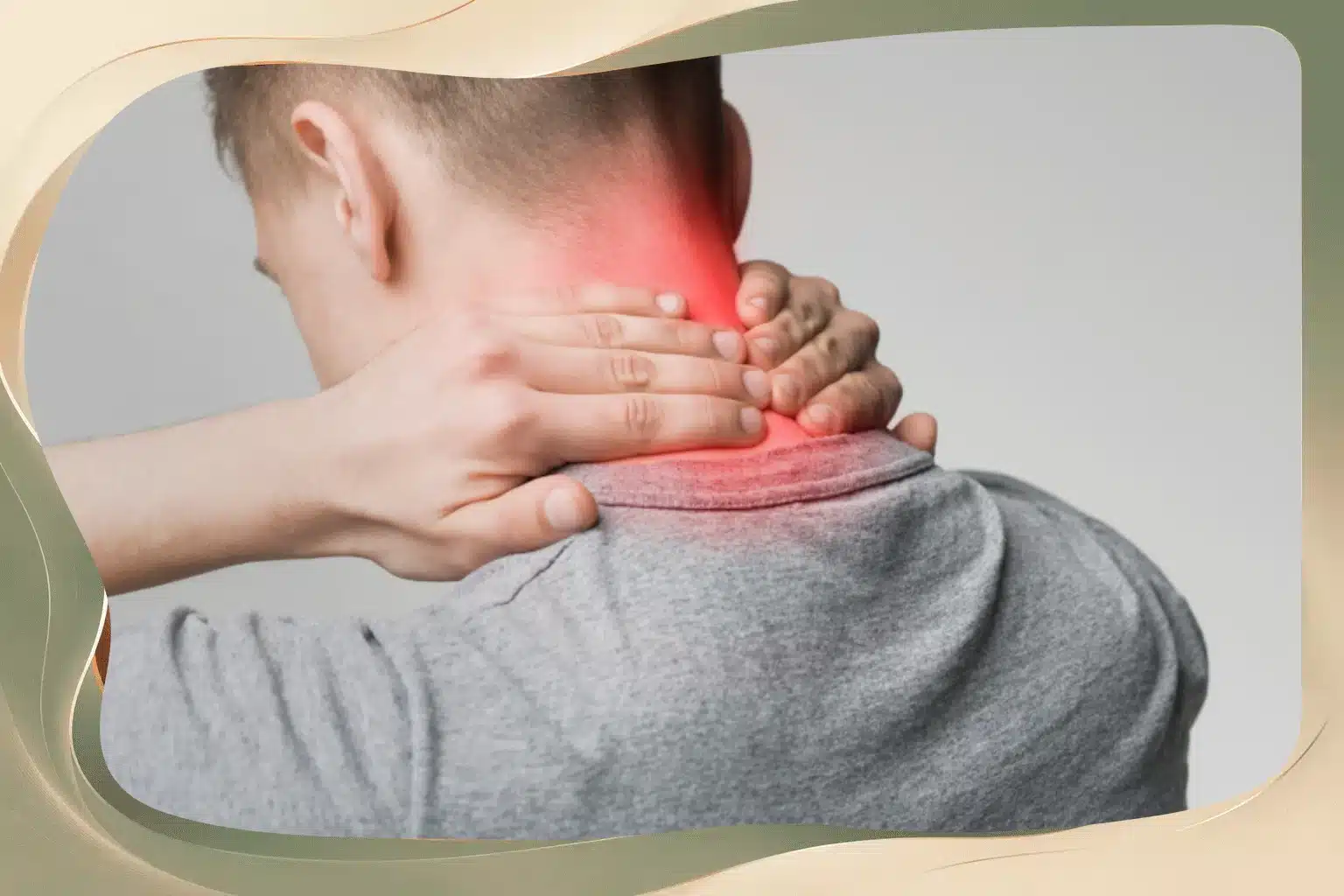
A headache is often treated as a problem on its own.
We reach for water, take a pain reliever, dim the lights, or hope a good night’s sleep will make it disappear. But what if the headache isn’t actually starting in your head?
For many people, the real source of discomfort begins much lower, within the muscles, joints, and nerves of the neck.
If you’ve ever noticed a headache developing after a long day at your desk, following poor sleep, or after hours spent looking at a screen, you’re not imagining the connection. The neck and head work closely together, and when something isn’t functioning properly in one area, the other often feels the effects.
At Total Health Physical Medicine & Rehabilitation Center, we frequently help patients who are surprised to discover that their headaches are closely linked to neck dysfunction rather than a problem inside the head itself. Understanding this connection is often the first step toward finding lasting relief.
Why the Neck and Head Are Closely Connected
The neck is responsible for far more than simply supporting the weight of your head.
It contains muscles, joints, nerves, ligaments, and blood vessels that work together to allow smooth movement while protecting the spinal cord. Every time you look down at your phone, turn to reverse your car, or spend hours sitting at a computer, these structures are working continuously.
When they become irritated, tight, inflamed, or restricted, pain doesn’t always stay in the neck.
Instead, it can travel upward, creating discomfort that is felt around the back of the head, temples, forehead, or even behind the eyes.
This is why many patients experience neck pain and headaches together without realizing they may share the same cause.
Can Neck Pain Cause Headaches?
The simple answer is yes.
This is one of the most common questions patients ask when recurring headaches seem to have no obvious explanation.
When joints become stiff, muscles tighten, or nerves become irritated, pain signals from the neck can travel to the head. Rather than feeling pain where the problem starts, the brain interprets it as a headache.
This is commonly known as a headache from neck pain, and it often improves only when the underlying neck problem is addressed.
Rather than focusing solely on headache symptoms, it is important to understand why the neck is contributing to the discomfort in the first place.
What Is a Cervicogenic Headache?
One type of headache that often originates in the neck is called a cervicogenic headache.
Unlike migraines or sinus headaches, a cervicogenic headache begins because of problems involving the cervical spine, surrounding muscles, or nearby joints.
People experiencing this type of headache often notice that the pain:
- Starts at the base of the skull
- Travels toward the forehead or behind one eye
- Worsens with certain neck movements
- Is accompanied by neck stiffness
- Improves when neck tension is reduced
Many patients spend months treating recurring headaches without realizing the neck may actually be the primary source of the problem.
Why Does Neck Pain Cause Headaches?
The answer lies in the way the body’s nerves communicate.
The upper part of the cervical spine shares nerve pathways with areas responsible for sensing pain in the head and face. When muscles become tight or joints stop moving properly, these nerves can become irritated.
The brain then interprets those pain signals as headaches.
Several factors may contribute to headaches caused by neck pain, including:
- Poor posture
- Muscle tension
- Long hours at a desk
- Stress
- Arthritis
- Previous injuries
- Restricted spinal movement
Understanding these contributing factors is important because treating the headache alone often provides only temporary relief.
Could a Pinched Nerve Be the Cause?
Another question patients often ask is, can a pinched nerve in the neck cause headaches?
In some cases, yes.
When nerves exiting the cervical spine become compressed or irritated, patients may experience pain that travels beyond the neck itself.
Symptoms may include:
- Neck stiffness
- Pain radiating toward the head
- Tingling in the shoulders or arms
- Reduced range of motion
- Persistent headaches
While not every headache is caused by a pinched nerve, nerve irritation is one possibility that should be evaluated as part of a comprehensive assessment.
Recognising the Signs of Neck-Related Headaches
Not all headaches feel the same.
When headaches originate from the neck, there are often additional clues that point toward the underlying cause.
You may notice:
- Headaches after sitting at a computer
- Pain that begins in the neck before spreading upward
- Difficulty turning your head comfortably
- Tightness across the shoulders
- Headaches that worsen after poor posture
- Reduced neck mobility
Many patients also experience neck tension headaches, particularly during stressful periods or after spending long hours working at a desk.
If these symptoms sound familiar, your neck may be playing a bigger role than you realise.
Looking Beyond the Symptoms
It is tempting to treat every headache as an isolated problem.
However, if the source of discomfort begins in the neck, lasting relief often depends on addressing what is happening within the cervical spine and surrounding muscles.
At Total Health Physical Medicine & Rehabilitation Center, we take time to understand why symptoms have developed rather than focusing only on where pain is felt.
Depending on the cause, treatment may include rehabilitation, chiropractic care, posture education, mobility exercises, or other non-surgical therapies designed to improve movement and reduce irritation.
If your symptoms are related to ongoing neck dysfunction, you can read more about our neck pain treatment to learn how comprehensive care may help.
Treatment Options for Neck Pain and Headaches
The most effective treatment depends on the underlying cause of your symptoms.
For many patients, improving spinal movement and reducing tension within the neck helps decrease both neck discomfort and recurring headaches.
At Total Health Physical Medicine & Rehabilitation Center, treatment may include:
- Chiropractic care
- Rehabilitation therapy
- Soft tissue techniques
- Postural correction
- Mobility exercises
- Spinal decompression when clinically appropriate
If spinal conditions such as disc problems or nerve compression are contributing to symptoms, you can read more about our spinal decompression therapy to understand how this non-surgical treatment may help.
Many patients also benefit from chiropractic treatment that focuses on restoring healthy movement within the spine. You can read more about our chiropractic care services to learn how personalised treatment plans are created.
Why Choose Total Health Physical Medicine & Rehabilitation Center?
Choosing the right provider is important when headaches begin affecting your work, sleep, concentration, or quality of life.
At Total Health Physical Medicine & Rehabilitation Center, we take a personalised and rehabilitation-focused approach to care. Every treatment plan is tailored to the patient’s symptoms, condition, and recovery goals.
We combine:
- Advanced treatment technology
- Evidence-based rehabilitation
- Non-surgical treatment options
- Hands-on therapies
- Customised recovery plans
- One-on-one patient-centred care
Our goal is not simply to reduce headache pain. We focus on identifying the underlying cause of your symptoms so you can enjoy greater comfort, improved mobility, and better long-term health.
Finding Lasting Relief Starts with Understanding the Cause
Recurring headaches can be frustrating, especially when they continue despite medication or rest.
If your headaches regularly occur alongside neck stiffness, muscle tension, or restricted movement, the problem may not be in your head at all.
By identifying the connection between the neck and the nervous system, it becomes possible to create a treatment plan that addresses the source of discomfort rather than simply managing symptoms.
At Total Health Physical Medicine & Rehabilitation Center, we believe that understanding the cause is the first step toward lasting relief. Through personalised, non-surgical care, we help patients reduce pain, restore movement, and return to everyday life with greater confidence.
Faqs
Can neck pain really cause headaches?
Yes. Problems affecting the muscles, joints, or nerves in the cervical spine can trigger cervicogenic headaches and other types of headaches caused by neck pain.
Can a pinched nerve in the neck cause headaches?
In some cases, yes. A pinched or irritated nerve in the neck may contribute to headaches, neck pain, shoulder discomfort, and reduced mobility. A professional assessment can help determine the underlying cause.
How long do cervicogenic headaches last?
The duration varies depending on the cause and severity. Some headaches last a few hours, while others may persist for days if the underlying neck dysfunction is not addressed.
What treatments does Total Health Physical Medicine & Rehabilitation Center offer for neck pain and headaches?
We provide personalised treatment plans that may include chiropractic care, rehabilitation therapy, spinal decompression, posture correction, and other non-surgical approaches based on each patient’s needs.
When should I seek treatment for neck pain and headaches?
If headaches are recurring, becoming more frequent, or are accompanied by persistent neck pain, reduced movement, numbness, or weakness, it is important to seek a professional evaluation to identify the underlying cause.
Disclaimer
This article is intended for informational purposes only and should not be considered medical advice, diagnosis, or treatment. Symptoms of headaches and neck pain can have many different causes. Always consult a qualified healthcare professional for an accurate diagnosis and personalised treatment recommendations. Seek immediate medical attention if you experience a sudden severe headache, loss of consciousness, vision changes, difficulty speaking, or other emergency symptoms.


