
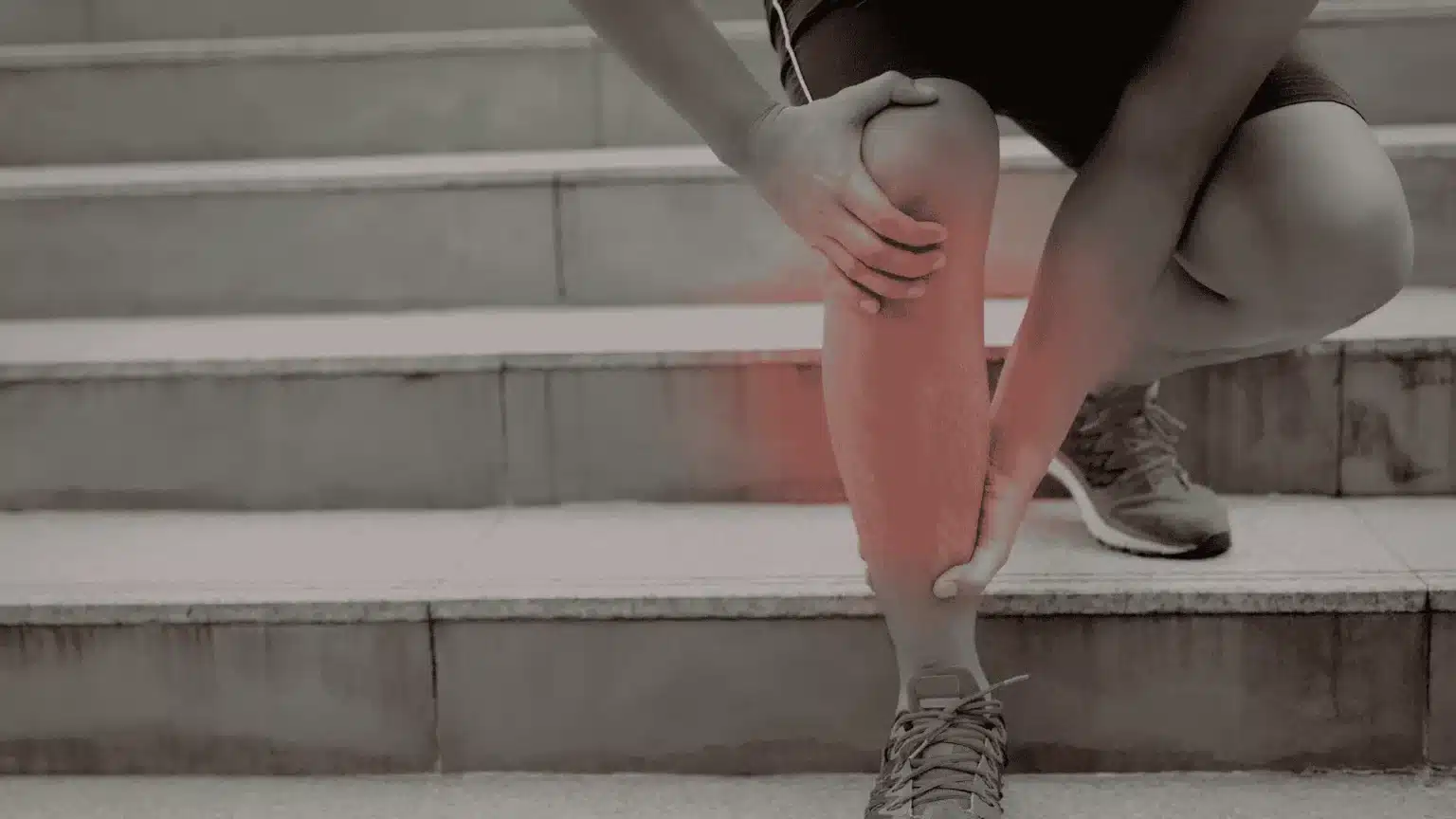
You probably don’t think much about your knees until they start to hurt.
For many people, knee pain shows up during simple everyday activities like walking, climbing stairs, standing up from a chair, or getting out of the car. What once felt effortless suddenly becomes uncomfortable or even limiting.
If you’ve ever felt a sharp twinge in your knee while going upstairs or a dull ache after a long walk, you’re not alone. Knee discomfort is one of the most common musculoskeletal complaints and a frequent reason people seek pain management in New Jersey.
But why does knee pain appear during movement, especially when climbing stairs?
Understanding the underlying cause is the first step toward effective knee pain treatment and long-term joint health. Let’s explore the top seven causes of knee pain when walking or climbing stairs and what you can do about it.
Patellofemoral Pain Syndrome (Runner’s Knee)
One of the most common reasons for knee pain when walking or using stairs is patellofemoral pain syndrome, often referred to as runner’s knee.
This condition occurs when the kneecap (patella) doesn’t move smoothly along the groove in the femur. When that alignment is off, pressure builds between the bones and surrounding tissues.
People with this condition often notice:
- Pain at the front of the knee
- Discomfort when climbing stairs
- Pain after prolonged sitting
- A grinding or popping sensation
Activities that require repeated knee bending like stairs, squatting, or walking downhill can make symptoms more noticeable.
Knee Osteoarthritis
Osteoarthritis is another leading cause of knee pain, particularly in adults over 40. It occurs when the protective cartilage inside the joint gradually wears down.
Without that cushioning, bones may begin rubbing against each other, which can cause:
- Stiffness in the morning
- Swelling around the knee
- Pain during movement
- Difficulty walking long distances
Climbing stairs often makes osteoarthritis symptoms more noticeable because it places additional pressure on the knee joint.
Many patients seeking knee pain relief in New Jersey discover that a combination of rehabilitation therapy, strengthening exercises, and targeted treatments can help manage osteoarthritis effectively.
Meniscus Tears
The meniscus is a piece of cartilage that acts like a shock absorber between the thigh bone and shin bone.
When this cartilage tears often due to sudden twisting movements or gradual wear. It can lead to pain when walking, bending, or climbing stairs.
Common symptoms include:
- Sharp knee pain during movement
- Swelling in the joint
- A feeling of catching or locking
- Reduced range of motion
Meniscus injuries are especially common among athletes but can also occur during routine movements such as pivoting or kneeling.
Tendonitis Around the Knee
The knee joint relies on multiple tendons to connect muscles to bones and keep the joint stable.
Overuse or repetitive stress can lead to knee tendonitis, which occurs when these tendons become irritated or inflamed.
This type of knee pain often develops gradually and may feel worse during:
- Walking long distances
- Climbing stairs
- Running or jumping
- Squatting
Tendonitis is common among runners, cyclists, and individuals whose daily activities involve repetitive knee movement.
Weak Supporting Muscles
Your knee doesn’t work alone. It depends heavily on surrounding muscles, particularly the quadriceps, hamstrings, and hip muscles for support.
When these muscles become weak or imbalanced, the knee joint absorbs more stress than it should.
This can lead to:
- Knee pain when walking uphill
- Difficulty climbing stairs
- Increased pressure on cartilage and ligaments
Strengthening the surrounding muscles through rehabilitation therapy NJ programs is often a key part of long-term recovery and prevention. You can find out more about our rehabilitation therapy service here
Ligament Strain or Injury
Ligaments help stabilize the knee joint and prevent excessive movement. When these structures are stretched or injured, pain may appear during weight-bearing activities.
Even mild ligament strain can cause discomfort when:
- Walking for extended periods
- Climbing stairs
- Changing direction suddenly
More severe injuries may also cause swelling, instability, or a feeling that the knee might “give out.”
Joint Compression and Pressure
In some cases, knee pain is caused by excessive pressure within the joint itself.
When cartilage becomes compressed or the joint space narrows, movement can become uncomfortable. This pressure is often most noticeable during activities that require bending the knee such as climbing stairs.
One emerging treatment approach for joint pressure is knee decompression therapy, which helps reduce stress within the knee joint and improve movement mechanics.
At Total Health Physical Medicine & Rehabilitation Center, patients experiencing chronic knee discomfort may explore decompression-based therapies designed to reduce joint pressure and support healing. If you’re interested in learning more about this approach, you can read more about knee decompression therapy here.
Recognizing Knee Pain Symptoms
Knee pain can appear in several different ways depending on the underlying condition.
Some common symptoms include:
- Pain when walking or climbing stairs
- Swelling around the knee
- Stiffness after rest
- Clicking or popping sounds
- Reduced range of motion
If you’re experiencing persistent symptoms, learning more about knee pain and its causes can help you better understand what may be happening inside the joint and when it’s time to seek professional care.
Treatment Options for Knee Pain
The best treatment for knee pain depends on the cause, severity, and how long symptoms have been present.
At Total Health Physical Medicine & Rehabilitation Center, care plans are often personalized and may include a combination of therapies designed to reduce pain, restore mobility, and strengthen the joint.
Some treatment approaches may include:
- Physical rehabilitation therapy
- Strengthening and mobility exercises
- Joint stabilization programs
- Targeted injection therapy to reduce inflammation and support healing
- Advanced pain management techniques
Patients looking for pain management New Jersey solutions often benefit from a comprehensive approach that addresses both the symptoms and the underlying cause of the discomfort. Read more about our injection therapy service here.
When to Seek Professional Care
Occasional knee soreness after physical activity can be normal. However, persistent knee pain that interferes with walking, climbing stairs, or daily activities should not be ignored.
Seeking early evaluation can help prevent minor issues from becoming chronic conditions and can provide access to treatments that restore function and reduce long-term joint stress.
If you’re experiencing ongoing knee discomfort, a personalized evaluation can help identify the cause and determine the most effective knee pain treatment in New Jersey for your specific needs.
Supporting Long-Term Knee Health
Your knees carry you through thousands of steps every day. Taking care of them is essential for staying active and maintaining quality of life.
Whether knee pain is caused by pressure in the joint, weak muscles, or worn cartilage, today’s rehabilitation therapy and pain management offer many treatment options to help reduce pain, improve movement, and get you back to your daily activities more comfortably.
By identifying the underlying cause and choosing the right treatment plan, many people are able to return to walking, climbing stairs, and moving freely again without the constant reminder of knee pain.
FAQs
Can weak muscles around the knee lead to pain?
A: Yes. Weak quadriceps, hamstrings, or hip muscles increase stress on the knee joint, leading to pain during walking or stair climbing.
What is runner’s knee and how does it cause knee pain?
A: Runner’s knee, or patellofemoral pain syndrome, occurs when the kneecap doesn’t move smoothly, causing pain at the front of the knee, especially when bending or climbing stairs.
When should I see a doctor for knee pain?
A: If your knee pain is persistent, affects daily activities like walking or stair climbing, causes swelling, or limits your range of motion, seek professional care.
Are there treatments to relieve knee pain from meniscus tears or tendonitis?
A: Yes. Treatments may include rehabilitation therapy, strengthening exercises, joint stabilization programs, targeted injections, or advanced pain management techniques.
Can knee decompression therapy help with joint pressure-related knee pain?
A: Yes. Knee decompression therapy can reduce joint pressure, improve movement, and support healing for chronic knee discomfort.
How can I prevent knee pain while walking or using stairs?
A: Maintaining strong supporting muscles, practicing proper movement techniques, managing body weight, and addressing minor injuries early can help prevent knee pain.
Disclaimer: This article is for informational purposes only and should not be considered medical advice. Individual conditions and treatment needs may vary. Always consult with a qualified healthcare professional for proper diagnosis and personalized treatment recommendations.