
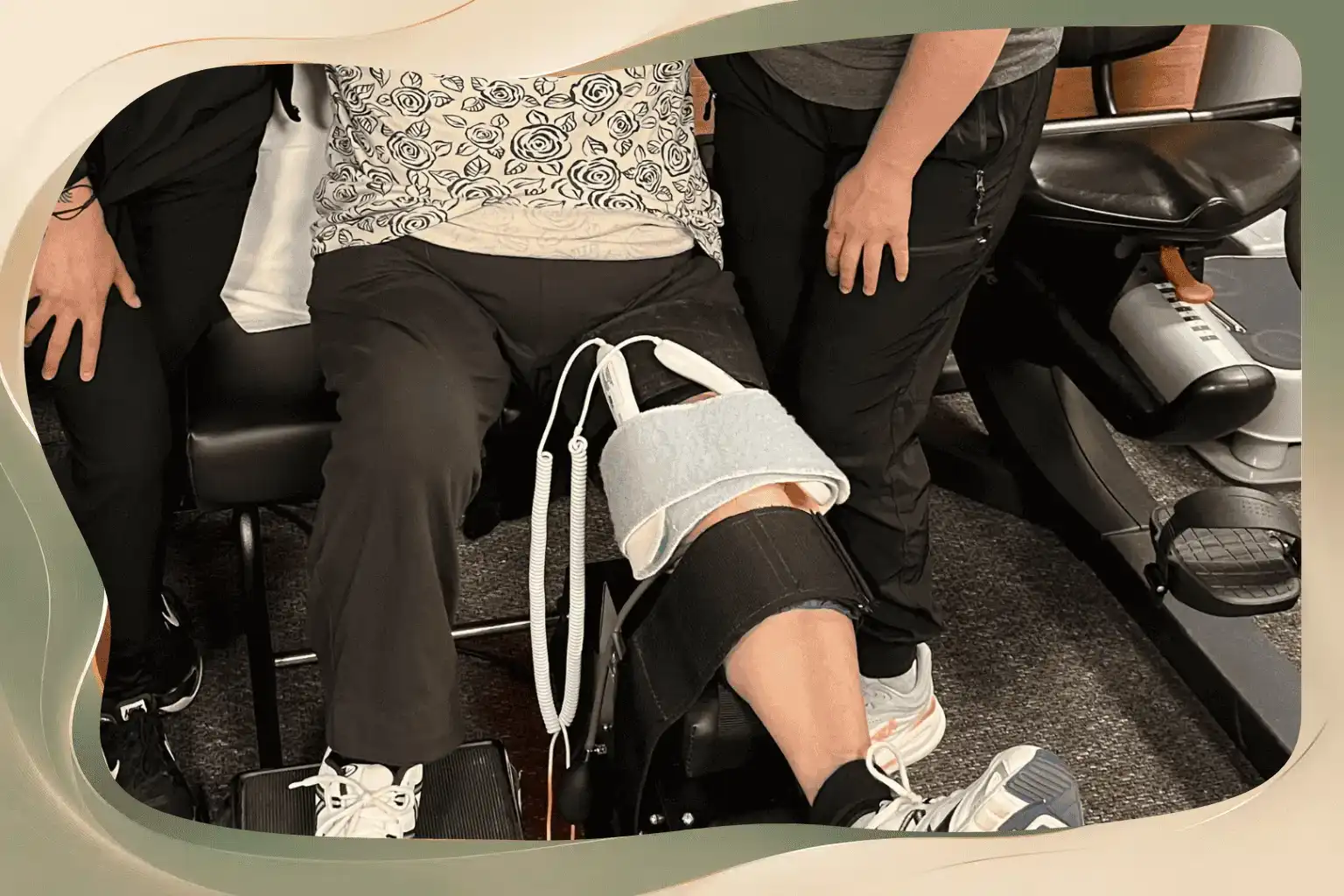
Knee pain is one of the most common reasons adults experience difficulty walking, exercising, climbing stairs, or staying active. For some people, knee discomfort develops gradually over time, while others experience sudden pain that seems to appear without warning.
Because the knee is a complex joint that supports body weight and movement, many different conditions can contribute to pain, stiffness, swelling, or instability. Understanding the underlying cause is important because effective treatment begins with identifying what is actually driving your symptoms.
At Total Health Physical Medicine & Rehabilitation Center, we provide personalized rehabilitation and pain management solutions for patients dealing with knee pain and mobility challenges. Our goal is to identify the root cause of discomfort and create customized treatment plans designed to improve movement, comfort, and long-term function.
If you’ve ever wondered what causes knee pain, the answer may be more complex than you think.
Why Knee Pain Happens
The knee joint is made up of bones, cartilage, ligaments, tendons, muscles, and surrounding soft tissues that all work together to support movement.
Pain can develop when any of these structures become irritated, inflamed, injured, overused, or worn down over time.
Some cases are linked to obvious injuries, while others develop gradually because of age-related changes, repetitive stress, poor movement mechanics, or underlying medical conditions.
Understanding the most common knee pain causes can help determine which treatment approach may be most effective. Read about our knee pain treatment!
Common Causes of Knee Pain in Adults
Osteoarthritis
One of the leading causes of knee pain in adults is osteoarthritis.
This condition develops when the cartilage that cushions the knee joint gradually wears down over time. As the protective cartilage decreases, bones may begin rubbing against each other, creating pain and stiffness.
Common symptoms include:
- Knee stiffness
- Swelling
- Reduced flexibility
- Grinding sensations
- Pain during walking or standing
Many patients notice symptoms becoming more noticeable as they age.
Tendonitis
Tendonitis occurs when the tendons surrounding the knee become irritated or inflamed from repetitive movement or overuse.
This condition is common among athletes, active adults, and individuals whose jobs require frequent kneeling, lifting, or repetitive motion.
Symptoms often include:
- Tenderness around the knee
- Pain during movement
- Swelling
- Increased discomfort after activity
Meniscus Tears
The meniscus acts as a shock absorber inside the knee joint.
Meniscus tears may occur because of sports injuries, twisting movements, or age-related degeneration.
Common symptoms include:
- Knee stiffness
- Swelling
- Locking sensations
- Pain during bending or twisting
- Reduced mobility
Bursitis
Bursae are small fluid-filled sacs that help reduce friction around joints.
When these sacs become inflamed, bursitis can develop and contribute to knee pain.
Symptoms may include:
- Swelling
- Tenderness
- Warmth around the knee
- Pain while kneeling
Patellofemoral Pain Syndrome
Patellofemoral pain syndrome refers to pain around the kneecap and is particularly common among runners and active adults.
Patients often experience:
- Pain when climbing stairs
- Discomfort while squatting
- Pain after prolonged sitting
- Clicking or grinding sensations
Could Your Knee Pain Be Telling You Something More?
At this point, you may be realizing that knee pain is not always caused by a single injury or obvious event. In fact, several different conditions can create similar symptoms, making it difficult to identify the true source of discomfort on your own.

Time's up
What Causes Sudden Knee Pain Without Injury?
One of the most common questions patients ask is what causes sudden knee pain without injury?
Not all knee pain develops after a fall, accident, or sports injury.
In many cases, sudden symptoms may be caused by:
- Arthritis flare-ups
- Inflammation
- Tendon strain
- Joint irritation
- Fluid buildup
- Repetitive stress
- Changes in walking mechanics
Pain that appears suddenly should still be evaluated, especially if it is accompanied by swelling, instability, or difficulty walking.
Can Problems Outside the Knee Cause Knee Pain?
Many patients are surprised to learn that the knee is not always the true source of pain.
Sometimes, issues elsewhere in the body can affect movement patterns and place additional stress on the knee joint. Read more about our injection therapy here
Can Hip Pain Cause Knee Pain?
Yes.
In fact, hip pain can cause knee pain more often than many people realize.
Because the hip and knee work together during movement, dysfunction in the hip can alter walking mechanics and transfer additional stress to the knee.
This is one reason why comprehensive evaluation is important. Treating only the knee may not resolve symptoms if the source of the problem originates elsewhere.
Sciatica Can Cause Knee Pain
Another commonly overlooked connection is that sciatica can cause knee pain.
When nerves become irritated in the lower back, pain can travel down the leg and create symptoms that feel like they are coming from the knee.
Patients may experience:
- Burning pain
- Tingling sensations
- Weakness
- Discomfort around the knee
This is why some patients with knee pain benefit from treatments that focus on the spine and nervous system rather than the knee alone.
Can Plantar Fasciitis Cause Knee Pain?
Yes.
Many patients ask, can plantar fasciitis cause knee pain?
The answer is often yes because foot pain can change the way a person walks.
When walking mechanics change, additional stress may be placed on the knees, hips, and lower back. Over time, this compensation can contribute to chronic knee discomfort.
How We Treat Knee Pain at Total Health Physical Medicine & Rehabilitation Center
At Total Health Physical Medicine & Rehabilitation Center, we focus on identifying the root cause of knee pain rather than simply masking symptoms.
Depending on the patient’s condition, treatment may include:
- Rehabilitation therapy
- Knee decompression therapy
- Shockwave therapy
- Chiropractic care
- Neurolumen treatment
- Laser therapy
- Acupuncture and cupping
- Personalized exercise programs
- Non-surgical pain management solutions
Our goal is to improve mobility, reduce pain, and help patients return to the activities they enjoy.
Why Choose Total Health Physical Medicine & Rehabilitation Center?
Choosing the right provider for knee pain treatment is important, especially when symptoms begin affecting your mobility, work, exercise routine, or overall quality of life.
At Total Health Physical Medicine & Rehabilitation Center, we take a personalized and rehabilitation-focused approach to care. Every treatment plan is tailored to the patient’s condition, symptoms, and long-term goals.
We combine:
- Advanced treatment technology
- Evidence-based rehabilitation
- Non-surgical treatment options
- Hands-on therapies
- Customized recovery plans
- One-on-one patient-centered care
We proudly help patients throughout New Jersey improve movement, reduce pain, and achieve lasting results.
A Personalized Approach to Knee Pain Relief
Knee pain does not have to become something you simply learn to live with.
Whether your symptoms are caused by arthritis, tendonitis, a meniscus injury, sciatica, hip dysfunction, or another underlying condition, identifying the root cause is the first step toward lasting relief.
At Total Health Physical Medicine & Rehabilitation Center, our team works closely with each patient to create personalized rehabilitation and pain management plans designed to restore mobility, reduce discomfort, and improve quality of life.
If knee pain is affecting your daily routine, professional evaluation may help uncover the reason why and more importantly, what can be done about it.
Contact us today!
Frequently Asked Questions
What are the most common knee pain causes?
Common causes include osteoarthritis, tendonitis, bursitis, meniscus tears, ligament injuries, repetitive stress, and movement-related dysfunctions involving the hip, foot, or spine.
What causes sudden knee pain without injury?
Sudden knee pain without injury may be caused by arthritis flare-ups, inflammation, tendon irritation, fluid buildup, repetitive strain, or changes in walking mechanics.
Can hip pain cause knee pain?
Yes. Hip dysfunction can alter movement patterns and place additional stress on the knee, leading to pain and discomfort.
Can plantar fasciitis cause knee pain?
Yes. Changes in walking mechanics caused by plantar fasciitis may place extra strain on the knees over time.
Can sciatica cause knee pain?
Yes. Nerve irritation originating in the lower back may create pain, tingling, or discomfort that radiates into the knee and leg.
Disclaimer
This article is for informational purposes only and does not constitute medical advice, diagnosis, or treatment. Individual symptoms and conditions vary. Always consult a qualified healthcare provider regarding knee pain, mobility concerns, or treatment decisions. Seek immediate medical attention if you experience severe swelling, inability to bear weight, visible joint deformity, or sudden worsening symptoms.


