
Lumbar Decompression Chiropractic for Lower Back Pain in New Jersey
Lower back pain can make ordinary moments feel harder than they should. Getting out of bed, sitting through work or lifting your child may suddenly require careful planning. If you are exploring lumbar decompression chiropractic in New Jersey, understanding your options is a useful first step. At Total Health Physical Medicine & Rehabilitation Center, spinal decompression is available as part of an individualised approach to care. An assessment helps establish what may be contributing to your discomfort and whether this treatment belongs in your recovery plan.
What Is Back Decompression?
Your lumbar spine is the lower section of your back. Between its bones sit discs that help absorb loads as you move. Nearby nerves carry signals between your spine and legs, which explains why some lower back problems also cause symptoms further down the body.
Non surgical back decompression uses controlled traction, a pulling force applied through specialised equipment. The intention is to temporarily reduce loading on parts of the spine. This differs from surgical decompression, which involves an operation to relieve pressure on nerves.
Lumbar decompression therapy should not be described as permanently stretching the spine or putting a disc back into place. Evidence for lasting benefits is limited, and NICE guidance advises against routinely offering traction for lower back pain with or without sciatica. Treatment decisions should include an honest discussion of these limitations.

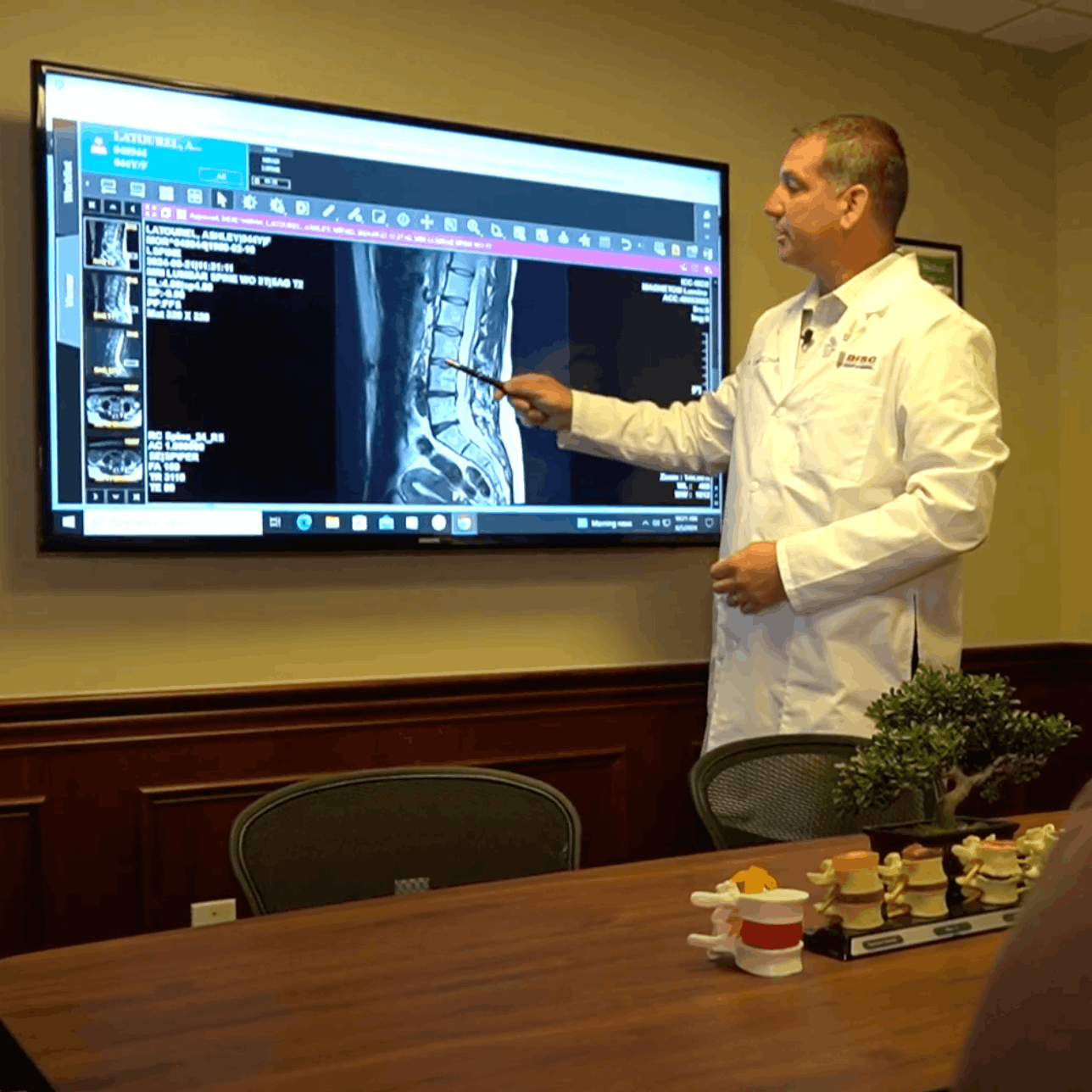
Why Does Your Lower Back Hurt?
Lumbar back pain can develop for several reasons. Muscles, joints, discs and nerves may all contribute, and similar symptoms can have different causes. Your pain pattern, medical history and physical examination help guide the next steps.
A slipped disc in lumbar region terminology usually refers to a herniated disc. Despite the name, the disc has not literally slipped out of position. Its inner material can push through its outer layer, sometimes irritating a nearby nerve.
Someone searching for help with a slipped lumbar disk may experience:
- Pain across the lower back or into one buttock.
- Discomfort travelling down the leg.
- Tingling or numbness in the leg or foot.
- Difficulty bending, sitting or moving comfortably.
- Weakness that needs prompt clinical assessment.
Not every disc change causes symptoms, and a scan finding alone does not explain every episode of pain.
Could Lumbar Decompression Chiropractic Fit Your Recovery Plan?
Choosing decompression therapy for back pain starts with understanding your condition. The question is whether its potential benefits, limitations and risks make it appropriate for you.
When considering lumbar decompression chiropractic, an assessment should explore how symptoms affect your walking, sleep, work and everyday movement. Existing imaging may be reviewed when relevant, although scans are not routinely necessary for every person with back pain.
Lumbar decompression treatment may be discussed for selected patients with disc related symptoms. It cannot guarantee disc repair, lasting relief or avoidance of surgery. If recommended, progress should be reviewed against practical goals, such as sitting more comfortably or returning to activities.
A clear plan also explains when treatment should change. Worsening symptoms or a lack of meaningful improvement deserve reassessment rather than an automatic extension of sessions.
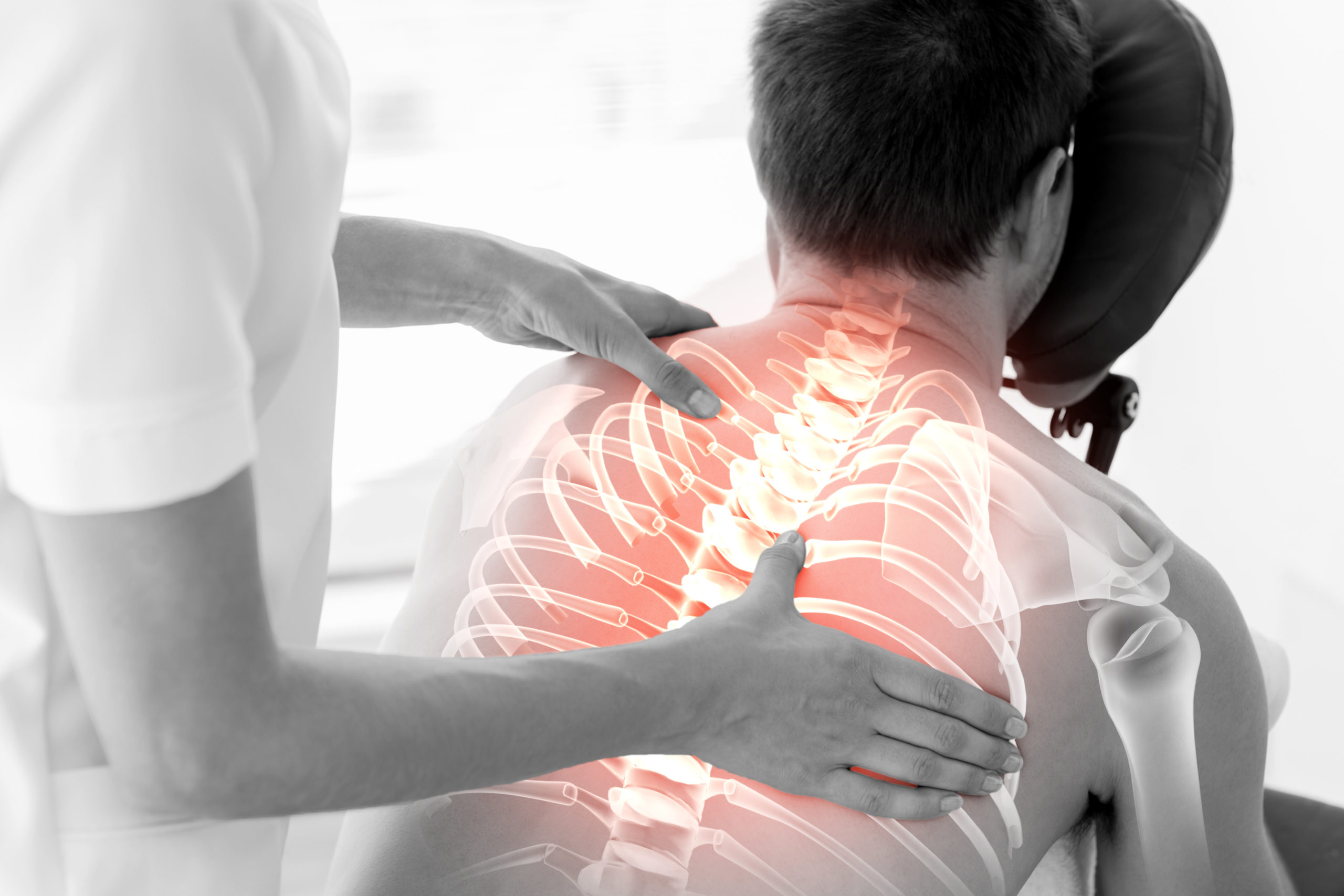
What Happens During Lower Back Decompression?
At Total Health Physical Medicine & Rehabilitation Center, treatment uses specialised equipment, including the DRX9000 system for the lumbar spine. You lie on a lumbar decompression table, where controlled cycles of pulling and relaxation are applied.
The lumbar decompression machine allows settings to be adjusted to your condition and comfort. The practice describes sessions as typically lasting 20 to 30 minutes, with care adjusted according to your response.
You should tell your provider if treatment causes pain, increasing leg symptoms or other discomfort. Trying to decompress lower back structures through forceful stretching at home is not a substitute for assessment or supervised care.
Supporting Your Back Beyond the Treatment Table
Recovery involves more than choosing decompression for back symptoms. Building confidence in movement and gradually improving strength can help you manage everyday demands.
Depending on your assessment, care may include:
- Physical therapy to develop strength and movement tolerance.
- Appropriate chiropractic care alongside an exercise programme.
- Advice on pacing activity during symptom flare ups.
- Practical changes to lifting and working habits.
- A manageable home exercise routine.
For patients in New Jersey, these steps can make care more relevant to daily life. Your goals might include gardening, commuting or playing with your children.
Seek emergency medical care for new bladder or bowel problems or numbness around the groin. New or worsening leg weakness also requires urgent assessment.

Take the Next Step Towards More Comfortable Movement
You deserve a clear explanation of your lower back pain and a plan built around your needs. Contact Total Health Physical Medicine & Rehabilitation Center to discuss lower back decompression and other care options in New Jersey. Book an assessment at our Florham Park or Berkeley Heights, NJ, locations to explore your next steps with our team.

Real People. Real Results
More than 250 five-star reviews on Google
I’ve now gotten to the “home stretch” of my 30-session disc decompression treatment for low back pain and a most odd “internal itch” in my legs and feet. To date, every visit has gotten better. The staff at Total Health FP is genuinely interested in eliminating my issues. The treatments are straightforward and specifically designed to bring me back to wellness. An added plus is their wonderful good nature and ability to create a fun and productive atmosphere.


Got a question?
Frequently Asked Questions
How many lumbar decompression sessions might I need for lower back pain?
The number of sessions varies depending on your symptoms, underlying condition and response to care. After an assessment, your provider can recommend an appropriate treatment plan and review your progress along the way.
Is lumbar decompression painful?
Lumbar decompression is designed to apply controlled, gradual traction to the lower back. Many patients tolerate treatment comfortably, but you should tell your provider immediately if you experience increased pain, tingling or other symptoms during a session.
Can lumbar decompression help with sciatica caused by a herniated disc?
Lumbar decompression may be considered for some patients with disc-related lower back pain and sciatica. However, suitability depends on what is causing the nerve irritation, so a clinical assessment is important before treatment begins.
Who should not have lumbar spinal decompression therapy?
Spinal decompression may not be appropriate for everyone, including people with certain fractures, severe osteoporosis, spinal instability or other medical conditions. Your health history and symptoms should be reviewed before treatment is recommended.
Where can I get lumbar decompression treatment in New Jersey?
Total Health Physical Medicine & Rehabilitation Center provides lumbar decompression care at its Florham Park and Berkeley Heights, NJ locations. An initial assessment can help determine whether decompression is appropriate for your lower back condition.